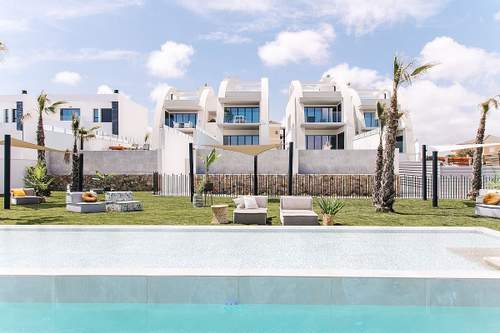

Полоп Недвижимость в 2026 году: Внутренние виллы с видом на море
 Wesna Group
Wesna владеет 15 живыми объявлениями Polop – от трёхкомнатной виллы стоимостью 470 000 евро до 694 700 евро. Цены на внутреннюю часть Коста-Бланки определяются по типу недвижимости, четырём подрайонам, которые стоит знать, реальных эксплуатационных затрат и тому, кто фактически покупает здесь.
В Полоп-де-ла-Марине проживает около 5000 зарегистрированных жителей, он расположен примерно на высоте 250 м над уровнем моря и за тринадцать минут попадает в центр Бенидорма. У нас там 15 объявлений, начиная с 470 000 евро за виллу площадью 144 м2. В Полопе нет ни пляжа, ни береговой линии вообще. Покупатели соглашаются на поездку к песку в обмен на тишину и большой участок.
Деревня под Понойгом
Полоп относится к Марина Байша – кольцу внутренних деревень за Бенидормом, где прибрежная равнина переходит в известняк. Понойг, хребет, который местные называют Львиной Головой, возвышается примерно на 1 180 м прямо за домами и задаёт местную погоду: ночи прохладнее, чем на побережье, больше ветра в феврале, более чистый воздух в августе.
Старое ядро действительно старое. Айюнтамьенто превратил замок на вершине холма над деревней в уединённую смотровую площадку, рядом с ним расположено муниципальное кладбище, о котором писал аликантийский писатель Габриэль Миро в 1920-х годах, а главная площадь имеет длинную каменную фонтанную стену с 221 носом. Улицы в каско антигуо крутые, узкие и в основном односторонние, поэтому машины плохо подходят, и люди ходят пешком.
Всё остальное в муниципалитете новее. С конца 1990-х годов застройщики террасировали склоны севера и запада деревни в урбанизацию отдельно стоящих вилл на участках площадью от 500 м² до 1 200 м², большинство из которых имели частный бассейн, а многие имели чёткий обзор вниз по долине на силуэт Бенидорма и гору Сьерра-Хелада. Два Polops сидят пешком примерно в десяти минутах друг от друга и ведут себя как отдельные рынки недвижимости. Деревня продаёт таунхаусы по деревенским ценам, в то время как урбанизация продаёт виллы по прибрежным ценам, а на верхнем конце – выше.
Иностранные жители составляют около 40% падрона – муниципального реестра, на основе которого INE строит данные о населении. Эта доля высока по национальным меркам и является обычной для этой долины. Ла-Нусия, расположенная в четырёх километрах вниз по склону, находится на аналогичном уровне. Альфас-дель-Пи, на побережье, находится ещё выше.
Кто на самом деле покупает здесь
Доминирующие группы почти не изменились за пятнадцать лет. Норвежцы пришли первыми и остались, привлечённые группой в соседнем Альфас-дель-Пи с его норвежской школой и церковью, а затем распространились вверх по склону, когда заговоры Альфаза закончились. Бельгийские и голландские покупатели в основном приезжают в возрасте от 55 до 70 лет, продав дом дома, и платят наличными. Британцы остаются крупнейшей иностранной группой, покупающей товары в провинции Аликанте, и после Брексита они разделились на два лагеря: владельцы второго дома, учитывающие 90 дней в каждую 180 дней, и заявители на неприбыльную визу, которые намерены нормально жить здесь.
Большинство из них достигают Полопа через устранение, а не по намерению. Они начинают с побережья, оценивают цену на виллу с видом на море в Альтеа или Кальпе, смотрят на участок, который действительно купят за деньги, затем едут десять минут вглубь страны и находят сопоставимый дом с вдвое большей территорией. Данные о сделках о том, кто покупает недвижимость в Испании отражают национальную картину, лежащую в основе этой тенденции.
Здесь есть немецкие покупатели, но сосредоточены на севере – в Хавее, Морайре и Бениссе. Мы должны быть честны: у нас нет акций на продажу ни в одном из этих трёх городов. То же самое касается Altea, Albir и Finestrat, где в нашей книге продаж нет ничего, кроме одной недвижимости в Altea Hills. Если вам нужен этот участок побережья, ближайшие места, где у нас есть объявления – Denia и Calpe, и мы предпочли бы отправить вас туда, чем притворяться иначе.
Украинские семьи, приехавшие после 2022 года, поселились южнее, в районе Торревьеи, Гуардамара и города Аликанте, где арендная плата ниже, а сообщество сформировано. Мы писали об этой схеме в путеводителе по украинским семьям на Коста-Бланке. Полоп видит их очень редко.
Русскоязычные владельцы на этом побережье сосредоточены в Торревьеха и Ориуэла-Коста, а не в деревнях Марина Байша, из-за цены и давних сетей. Разбивка этих кластеров показывает, где именно находятся эти акции.
Одна из причин исчезла навсегда: Золотая виза была закрыта в апреле 2025 года. Вилла стоимостью 500 000 евро в Полопе не имеет никаких гарантий на проживание в 2026 году. Живые маршруты – это Non-Wecrative Visa, Digital Nomad Visa и режим Бекхэма для получения дохода от трудоустройства, все они изложены в нашем 2026 Picncy Paths и в обзоре того, что заменило Золотую визу.
Цены на недвижимость в Полопе в 2026 году
51 объектов в Polop от 280 000 €
Смотреть все 51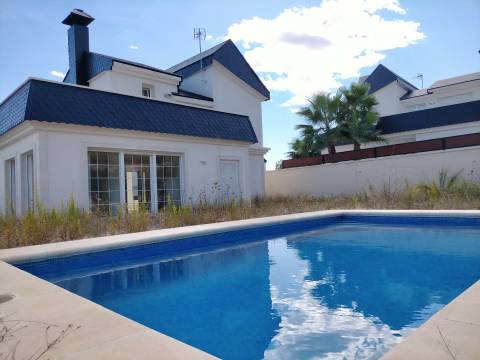
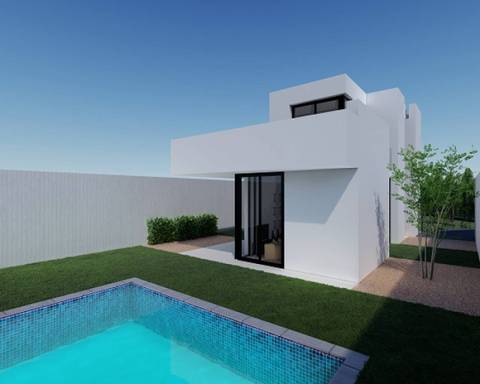
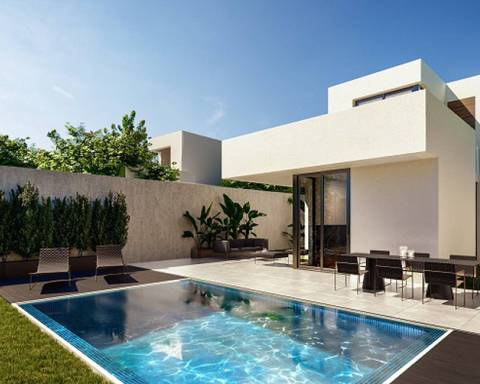
Средняя цена Polop составляет около 2 300 евро за м² для всех типов недвижимости, что кажется дешёвым по сравнению с Benidorm, если не посмотреть, сколько в среднем содержим. Здесь сочетаются неотреставрированные деревенские дома по цене менее 1 300 евро за м² с новостройками вилл свыше 4 000 евро. Почти никто не покупает по средней цене; Вы покупаете на одном или другом конце ассортимента.
| Тип свойства | Типичный размер | Цена 2026 года | Приблизительный евро за м2 |
|---|---|---|---|
| Дом Каско Антигуо, нуждается в ремонте | 90–140 м² | 90 000–165 000 евро | 900 до 1 300 |
| Отреставрированный деревенский таунхаус | 110–160 м² | EUR 170,000–260,000 | 1 500 до 1 800 |
| Урбанизационная квартира или бунгало, двухкомнатный | 70–95 м² | 150 000–230 000 евро | С 2 000 до 2 600 |
| Перепродажа отдельной виллы с бассейном, 1995–2010 | 150–220 м² | 320 000–520 000 евро | 2 100–2 600 |
| Новая вилла, вид на море, готова к ключу | 120–180 м² | EUR 450,000–750,000 | 3 200–5 600 |
| Участок для обслуживания строительства | 500–1 200 м² | 90 000–200 000 евро | 130–220 на участок м² |
Это запрашиваемые цены из объявлений на порталах и из нашей собственной книги за середину 2026 года, а не нотариально заверенные цены, которые обычно опускаются на 3–7% ниже при перепродаже и в продаже при новом строительстве. Consejo General del Notariado публикует нотариально заверенную серию, если хотите более точное число, индекс цен Idealista отслеживает муниципальные запросы месяц за месяцем, а наше собственное сравнение цен квадратных метров за 2026 год с 2024 годом показывает, как быстро двигались внутренние деревни.
Три из пятнадцати объектов, которые мы сейчас держим в Полопе, отражают форму виллы:
- WES-1930D, трёхкомнатный дом, 144 м², 470 000 евро
- WES-2455C, трёхкомнатный дом, 145 м2, 602 000 евро
- WES-2218B дом с 3 спальнями в Polop
Что отличает первый от третьего – это вид на море и участок, а не площадь пола. WES-2085C – самый маленький с площадью 124 м² и самый дорогой по отношению – примерно 5 600 евро за м² против примерно 3 300 евро у WES-1930D. Взвесьте это, прежде чем сравнивать показатели на м² между объявлениями: в Polop вы платите за угол склона. Полный список Polop шире, чем эти три.
Покупатели обычно пропускают нижний ряд. Обслуживаемые участки до сих пор торгуются по цене от 90 000 до 200 000 евро, а строительство на одном из них стоит примерно от 1 400 до 2 000 евро за м² под ключ до получения лицензии и архитектора. Ожидайте от 18 до 30 месяцев от подписания до ключей, и ожидайте, что испанский оценщик будет относиться к внутренней самостройке на этапе ипотечного кредита. Юридические сроки и стоимость покупки участка и здания и бюджет на самостроительство на квадратный метр – это цифры.
Как Полоп сравнивается с соседями
| Город | Живые распродажи Wesna | Персонаж | Поездка на пляж | Грубый спрос EUR за м2 |
|---|---|---|---|---|
| Polop | 15 | Деревня на склоне и виллы | 15–20 минут | 2 300 |
| Ла Нусия | 4 | Крупные и сильные муниципальные спортивные объекты | 12–15 минут | 2 600 |
| Альфас дель Пи | 9 | Норвежский хаб, более плоский, рядом с л'Альбиром | 8 мин | 2 700 |
| Бенидорм | 45 | Город круглый год, всё открыто в январе | 0–10 минут | 3 400 |
Два сравнения из нашей текущей книги делают разрыв конкретным. В Бенидорме WES-1411 дом с 3 спальнями в Бенидорм. В Полопе WES-2455C – это трёхкровный автобус площадью 145 м² по цене 602 000 евро. Площадь пола почти идентична, разница в 98 000 евро, и участок Полопа обычно больше из двух.
В другую сторону, дом La Nucia WES-2080, четырёхкомнатный 169 м² по цене 465 000 евро, находится в пределах 5 000 евро от WES-1930D Polop, при этом предлагая ещё 25 м² и одну дополнительную спальню. В Ла Нусиа больше сервисов, более крупный спортивный комплекс и короткий маршрут к пляжу. В Полопе старая деревня и более приятный горный фон. Если для вас услуги важнее атмосферы, сначала прочитайте La Nucia guide, затем просматривайте La Nucia, Alfaz del Pi и Benidorm вместе с Polop, а не по порядку.
Подобласти, которые стоит знать
Полоп-Хиллз
Самая новая и самая высокая территория, расположенная на террасах к северу и западу от деревни. Здесь открываются виды на море, где самые большие участки, и здесь почти все недавние строительные работы. Виллы здесь датируются примерно с 2015 года, хорошо утеплены по испанским стандартам и оснащены подогревом пола в лучших моделях.
Честно говоря, минусы – это доступ и шум. Некоторые подъездные дороги сильно поднимаются, с шпильками, которые неприятны в арендованной машине и ещё хуже, если вы перевозите. Несколько этапов всё ещё строятся, поэтому дом рядом с пустым участком может иметь бетономешалку для соседа в течение восемнадцати месяцев. Спросите нас, какие участки из вашего списка всё ещё содержат действующие строительные лицензии, и мы проверим файл в ayuntamiento.
Ла Альберка
Ближе к деревне, в основном построенная с середины 1990-х до примерно 2012 года, на более мягких улицах. Сады зрелые, что важнее, чем ожидают покупатели: двадцатилетний сад в этой долине имеет настоящие тенистые деревья, а тень стоит несколько градусов в августе. Вы можете дойти до площади примерно за двенадцать минут, а вернуться обратно – за двадцать.
Смотри на бассейны. Многие бассейны La Alberca до сих пор стоят на своих оригинальных облицовках или оригинальной плитке и нуждаются в повторном покрытии, стоимость которой составляет примерно от 3 500 до 7 000 евро в зависимости от размера. Старые виллы здесь также имеют одноостекные алюминиевые окна, а переостекление дома площадью 180 м² стоит примерно от 9 000 до 15 000 евро.
Эльс Таронгерс
На стороне Каллоса-д'эн Сарриа, названной в честь оранжевых террас, из которых её вырезали застройщики. Тише, чем два других, лучше соотношение цены за м² и по ощущениям сельские. Ваши соседи – фермеры, а это значит, что ирригационные каналы работают в необычное время, тракторы на подъездной полосе в сезон сбора сбора и иногда случаются сельскохозяйственные пожары. Покупатели, которые ожидали всего этого, с радостью устраиваются, и те, кто не жаловался на это в первый год.
Виды на море отсюда частично или отсутствуют. Вы покупаете долину и горную стену, а не силуэт Бенидорма.
Каско антигуо и Ксирлес
Самый дешёвый способ попасть в Полоп с большим отрывом. Деревенские дома, требующие ремонта, стоят около 90 000 евро, а полный ремонт до достойного стандарта стоит примерно от 900 до 1 400 евро за м², в зависимости от того, касаетесь ли вы крыши и конструкции. Наша услуга ремонта существует в основном потому, что покупатели недооценивают это число.
Главное ограничение – парковка, а не цена. В большинстве старых домов их нет, общественные пространства возле площади заполняются к середине утра, а в неделю праздников их вообще не существует. Лестницы крутые, вы делите стены с соседями, и лифт почти всегда невозможен. Если вам сейчас 60 и вы покупаете товар 25 лет, относитесь к лестнице серьёзно.
Ксирлес, небольшая деревушка в пределах муниципалитета, снова стала спокойнее и почти не имеет услуг, что устраивает немногих покупателей и исключает это для всех остальных.
Прежде чем подписывать что-либо на старом объекте в этих районах, проверьте nota simple по записи Catastro. Внутренняя часть Коста-Бланки имеет долгую историю расширений, закрытых террас и бассейнных домов, построенных без лицензии, и зарегистрированная площадь часто не совпадает с той, по которой вы проходите. Маршрут регуляризации вне ординанса решает некоторые из этих случаев, но он является точкой переговоров и иногда становится решающим фактором.
Повседневная жизнь: автомобили, школы и врачи
Тебе нужна машина. Паре обычно нужно две. Автобус ходит через деревню между Бенидормом, Каллосой и Гуадалестом несколько раз в день, что полезно для редких поездок, но недостаточно, чтобы продержать неделю. Ближайшие станции TRAM находятся в Бенидорме и Альтеа, обе на линии Аликанте – Дения.
Время езды от деревенской площади, с реалистичной скоростью, а не оптимистичной: Ла Нусия 7 минут, центр Бенидорма – 13 минут, пляж Поньенте в Бенидорме – около 16, пляж Л'Альбир – 17 минут, старый город Альтеа и его пляж – 20 минут, Вильяхойоса – 25 минут, город Аликанте – 45 минут, аэропорт Аликанте-Эльче – около 55 минут. Аэропорт Валенсии находится примерно в часе и три четверти. AP-7 курсирует бесплатно на участке Аликанте – Валенсия с января 2020 года, что снижало затраты и время на каждый рейс на север.
Добавьте пятнадцать-двадцать минут на всё прибрежное место в июле и августе, и ожидайте проблем с парковкой в Altea и l'Albir по выходным. Местные ходят на пляж до десяти или после шести.
Школы. В Полопе есть государственная начальная школа в деревне. Ученики средней школы ездят в институты в Ла Нусия или Кальоса-д'эн Сарриа, а айюнтамьенто организует школьный транспорт. Преподавание в Валенсийском сообществе проходит на валенсийском и кастильском языках по программе многоязычного языка, что удивляет покупателей, выбравших только испанский. Дети младше примерно десяти лет впитывают это без драмы. Подростки, прибывающие в 15 лет, часто испытывают трудности, и именно поэтому семьи с детьми старше выбирают иностранное образование.
Для международных вариантов Британская школа Элиана расположена в Ла Нусиа, школа Сьерра Берния возле Альфас-дель-Пи, а норвежская школа в Альфас-дель-Пи обслуживает именно это сообщество. Бюджет составляет примерно от 5 000 до 9 000 евро на одного ребёнка в год в британских школах, до оплаты регистрационных сборов, автобуса и формы.
Здравоохранение. В Polop есть местный консультант для регулярных приёмов к терапевту, а также более крупный медицинский центр в Ла Нусиа. Государственная больница всего Марина Байша – это больница Марина Байша в Вильяхойоса, примерно в 25 минутах езды. Частные варианты в Бенидорме включают Clínica Benidorm и IMED Levante, оба примерно в пятнадцати минутах езды от деревни. Доступ к государственной системе зависит от вашего статуса: работники и получатели социального обеспечения покрываются, государственные пенсионеры Великобритании обычно регистрируются через S1, а заявители на неприбыльную визу должны иметь полное частное страхование без дополнительных платежей как условие самой визы.
Отопление. На высоте 250 м январские ночи опускаются до примерно 4–8 градусов, и виллы, построенные для летней жары, быстро теряют это тепло. Старые дома в Ла-Альберке и Эльс Таронгерс часто не имеют изоляции. Планируйте использовать тепловой насос с воздушным источником или пелетную печь, и использовать одну из них с декабря по февраль. Несколько деревенских ресторанов закрываются или сокращают рабочие часы в те же месяцы, хотя Бенидорм находится в тринадцати минутах езды и никогда ничего не закрывает.
Сколько стоит управлять виллой Полопа?
Стоимость покупки соответствует остальной части Comunidad Valenciana: 10% налог на передачу при перепродаже, или 10% IVA плюс 1,5% гербового сбора на новое здание, плюс нотариус, регистрационные и юридические сборы. Общая стоимость приобретения составляет около 12–14% сверх цены, поэтому WES-1930D по цене 470 000 евро составляет около 526 000 евро. Наш полный разбор затрат на покупку показывает строки, 12-шаговый чек-лист для нерезидентов показывает порядок, в котором они попадают, и вы можете проверить свои собственные данные через калькулятор налога на недвижимость перед подачей предложения.
Ежегодные эксплуатационные расходы удивляют людей внутренние виллы, в основном из-за бассейна и отопления.
| Стоимость, в год | Деревенский таунхаус, 120 м² | Урбанизационная вилла, 180 м2 с бассейном |
|---|---|---|
| IBI | 210–340 евро | 600–950 евро |
| Сбор мусора | 90–130 евро | 90–130 евро |
| Comunidad | обычно нет | От 0 до 1 320 евро |
| Водоснабжение и канализация | 220–320 евро | 400–700 евро |
| Электричество | 900–1 400 евро | EUR 1,600–2,600 |
| Обслуживание бассейна | Не применимо | 900 евро до 1 700 |
| Страхование жилья | 200–320 евро | 450–750 евро |
| Modelo 210, тариф для нерезидентов ЕС | 60–110 евро | 180–330 евро |
| Приблизительный годовой итог | EUR от 1 700 до 2 600 | EUR 4,200–8,500 |
Пару замечаний по этим строкам. IBI в Полопе, как и в большинстве муниципалитетов Марина Байша, составляет около 0,6–0,8% от катастральной стоимости, а айунтамьенто публикует точный коэффициент в своём бюджетном отчете каждый декабрь; Катастральные цены на виллах с урбанизацией обычно составляют от 90 000 до 140 000 евро. Комиссии за коммунальные услуги сильно различаются. Вилла на собственном участке с частной подъездной дорогой может ничего не платить формальному сообществу и вместо этого вносить вклад в фонд неформального строительства дорог и освещения, тогда как закрытая зона в Полоп-Хиллс с общим бассейном, спортзалом и контрактом на садоводство может достигать 110 евро в месяц. Всегда просите двенадцатимесячные квитанции от муниципалитета и протоколы последних двух общих собраний, прежде чем принимать решение, потому что отложенное обновление на склоне холма дорогостояще, а сообщество взимает это как дерраму.
Нерезиденты, владеющие недвижимостью, которую не отпускают, ежегодно платят налог на доходы по Modelo 210, рассчитанный на 1,1% или 2% от катастральной стоимости в зависимости от того, когда муниципалитет последний раз пересматривал свои значения, облагаемый налогом 19% для резидентов ЕС и ЕЭЗ и 24% для всех остальных, включая жителей Великобритании. Наш ежегодный руководство по налогу на имущество охватывает механизмы подачи декларации.
При аренде будьте реалистами. Полоп – слабый рынок короткой аренды рядом с Бенидормом, туристическое лицензирование в Валенсийском сообществе ужесточилось, а спрос на отдыхи в глубине страны сезонный и низкий. Долгосрочная аренда сезонным жителям работает лучше: вилла за 500 000 евро за около 1 400 евро в месяц даёт валовую доходность около 3,4% до повышения стоимости, что значительно ниже того, что достигает прибрежный жилой фонд. Анализ рентной доходности в Коста-Бланке содержит полное сравнение. Покупайте в Полопе, потому что хотите там жить; Если цель – урожайность, то рынок прибрежных квартир – лучшая охота.
Если вы пользуетесь домом два раза в год, колонна виллы выше – это почти мёртвая зарплата при примерно шести недель заполнения, а бассейн всё равно нуждается в обслуживании в течение девяти месяцев, пока вас не будет. Владельцы на таком уровне использования обычно лучше справляются с квартирой, и реальное годовое сравнение стоимости между виллой и квартирой подтверждает это решение.
Часто задаваемые вопросы
Как далеко Полоп от ближайшего пляжа?
Около 17 минут на машине до Л'Альбира и 20 минут до Альтеа. Пляж Пониенте в Бенидорме занимает примерно 16 минут. Нет пешеходного пляжа и реалистичного автобуса для пляжного дня, поэтому считайте машину обязательной.
Нужно ли говорить по-испански, чтобы жить в Полопе?
Что касается повседневной жизни в урбанизации – нет. Инглиш сотрудничает с большинством агентств, многими специалистами и международными клиниками. Для аюнтамьенто, медицинского центра, школьной системы и всего, что связано с бумажной работой, испанский очень помогает, а его отсутствие обойдётся вам денег в виде сборов за гестор. Валенсийский язык является соофициальным и встречается в местной администрации и школах, хотя никто не ожидает, что иностранный житель будет говорить на нем.
Полоп дешевле, чем Ла Нусия?
Немного – около 2 300 евро за м2 против примерно 2 600 евро в Ла Нусиа, но разрыв на вершине рынка сокращается до нуля. Новопостроенные виллы с видом на море в Полоп-Хиллз продаются по ценам или выше Ла Нусии. Там, где Полоп явно дешевле, так это старая деревня, которая не имеет аналогов в новом центре Ла-Нусии.
Могу ли я сдавать виллу Полоп туристам?
Только с туристической лицензией, зарегистрированной в Generalitat Valenciana, и с 2024 года правила стали ужесточёнными. Предположим, что процесс занимает месяцы, что законы муниципалитета могут полностью запрещать туристическую аренду, а внутренний спрос сезонный. Ознакомьтесь с уставом перед покупкой, если это для вас важно.
Что стоит проверить перед покупкой старой виллы Polop?
Четыре вещи, по порядку. Что построенная поверхность Nota Simple совпадает с Catastro и тем, что вы действительно видите. Подпорные стены и террасы не показывают движения или свежих трещин, так как это склонные участки. Что в бассейне недавно работающая система фильтрации и нет повреждений обшивки. И чтобы водопровод и канализация были подключены, а не частный депозит и септик, что часто бывает на отдалённых участках и дорого меняется. Структурное обследование не является стандартной практикой в Испании, но на вилле на склоне старше двадцати лет это потраченные деньги не зря.
Покупателям, новичкам в процессе, стоит начать с иностранного путеводителя по покупке в Испании и получить NIE номер заранее, так как он ограничивает все остальные ограничения. Вы также можете связаться с нашим офисом через страницу контакты.
Следующие шаги
Откройте Polop listings, выберите три и отправьте нам рекомендации. Мы расскажем, в какой подзоне находится каждый из них, сколько берёт коммуна и что продавец уже отказался.
Получайте наши гиды по Коста-Бланке
Одно короткое письмо в месяц: новые гайды по районам, заметки по рынку и изменения в правилах. Без спама, отписка в один клик.
Email используется только для рассылки. Подробнее в политике конфиденциальности.