
Sanctions and Spanish Property for Russian Buyers 2026
 Wesna Group
Russian citizens can still buy Spanish property in 2026 unless personally named on an EU, UK or US sanctions list. What the lists actually cover, how the source-of-funds paperwork has tightened since 2022, notary screening, beneficial ownership disclosure, and the specific complications when a family member is listed.
Russian citizens are still legally allowed to buy Spanish property in 2026, unless they are personally named on an EU, UK or US sanctions list. Everything else, from banking routes to notary paperwork, has been tightened but not closed. This article walks through what sanctions actually cover for the property market in 2026, what has changed since 2022, and how Wesna handles the paperwork for buyers, sellers and family members caught between the layers.
For a broader look at the buyer journey from a Russian passport in 2026, see our earlier Russian buyers guide. This piece drills specifically into the sanctions layer.
What sanctions actually cover for property in Spain
Three lists matter for a Spanish notary in 2026:
- EU consolidated list of persons subject to restrictive measures. Maintained by the Council of the EU. Notaries and Spanish banks screen against this list on every transaction with a Russian-passport buyer or seller. Being on the list blocks the deed.
- OFAC SDN list (United States). Not directly binding in Spain, but Spanish banks with US correspondent relationships will refuse a wire tied to an SDN-listed person, which stalls the purchase at the money-transfer step.
- UK OFSI Consolidated List. Same secondary effect on Spanish banks with UK correspondent relationships.
If none of these lists names the buyer, the seller, or a beneficial owner sitting behind the transaction, the purchase proceeds. Spanish notaries do not have a general instruction to refuse Russian-passport buyers. They have a specific instruction to refuse anyone on a restrictive-measures list.
What has changed since 2022
Enhanced source-of-funds due diligence. Every transaction over €100,000 with a Russian-passport buyer now attracts a written source-of-funds file at the notary and at the receiving Spanish bank. Standard file: last three tax returns, six months of bank statements, one origin document (property sale deed, company distribution, salary history), one written declaration.
Beneficial ownership disclosure. When a Spanish limited company (sociedad limitada) is used, the notary requires disclosure of every beneficial owner above 25%. If any beneficial owner is on a sanctions list, the deed is blocked regardless of who signs at the notary.
Bank-account gate. Digital-only banks (N26, Wise, Revolut) stopped accepting Russian-passport account openings in 2024. Spanish traditional banks (Sabadell, Santander, BBVA, CaixaBank) still accept, subject to enhanced KYC. Read our 12-step non-resident checklist for the standard bank-onboarding flow.
Post-2022 property freeze. Property held by an EU-listed individual is frozen: no sale, no lease, no encumbrance. If a family member or a business partner has been listed since the purchase, the property cannot legally change hands until the individual is delisted, or until a specific licence is obtained from the competent authority.
Compliance workflow when the buyer is Russian
The 2026 process at Wesna, step by step:
- Screen the passport at first contact against the EU, UK and US lists. Free public tools cover this. If a match appears, the sale does not proceed; the buyer is referred to a sanctions-specialist lawyer.
- Screen the funding source. Wire origin bank, correspondent bank chain, and any intermediate entity. Non-Russian bank routes (through Türkiye, UAE, Armenia, Serbia) do not launder sanctions status; the underlying beneficial owner is what matters.
- Prepare the source-of-funds file with the buyer's Spanish lawyer 30-45 days before the notary appointment. Notaries in the Comunidad Valenciana treat this as mandatory paperwork for Russian buyers over €100,000, not optional.
- Notary sanction screening. Runs the buyer and seller through the EU and OFSI lists on the day of the deed. Only 24 hours old, per the current notarial guidance.
- Land Registry filing. If the buyer is a legal entity, the Registry checks beneficial ownership at filing time; a match here still blocks the transfer even after the deed is signed.
Selling a Russian-owned property in 2026
If you or your family bought Spanish property before 2022 with clean funds and no one in your family is now on a sanctions list, the sale in 2026 proceeds as any other resale. Standard 10% ITP for the new buyer in Valencia; standard plusvalía and IRNR withholding for you.
The complications arise in two specific cases:
Family member listed. If any beneficial owner of the property is on the EU list, the sale is frozen. Sale requires either delisting (rare) or a specific asset licence, typically 6-12 months from application.
Funds tied to sanctioned bank. Even if the buyer is not listed personally, funds acquired through a sanctioned Russian bank (Sberbank, VTB, Alfa, etc.) trigger the source-of-funds file at the notary. Documentation of the pre-sanctions transfer date is what unlocks the deed.
Property inventory that fits Russian buyers 2026
Entry-level Costa Cálida and Costa Blanca stock in the €100,000-€200,000 range where the Russian-buyer segment concentrates:
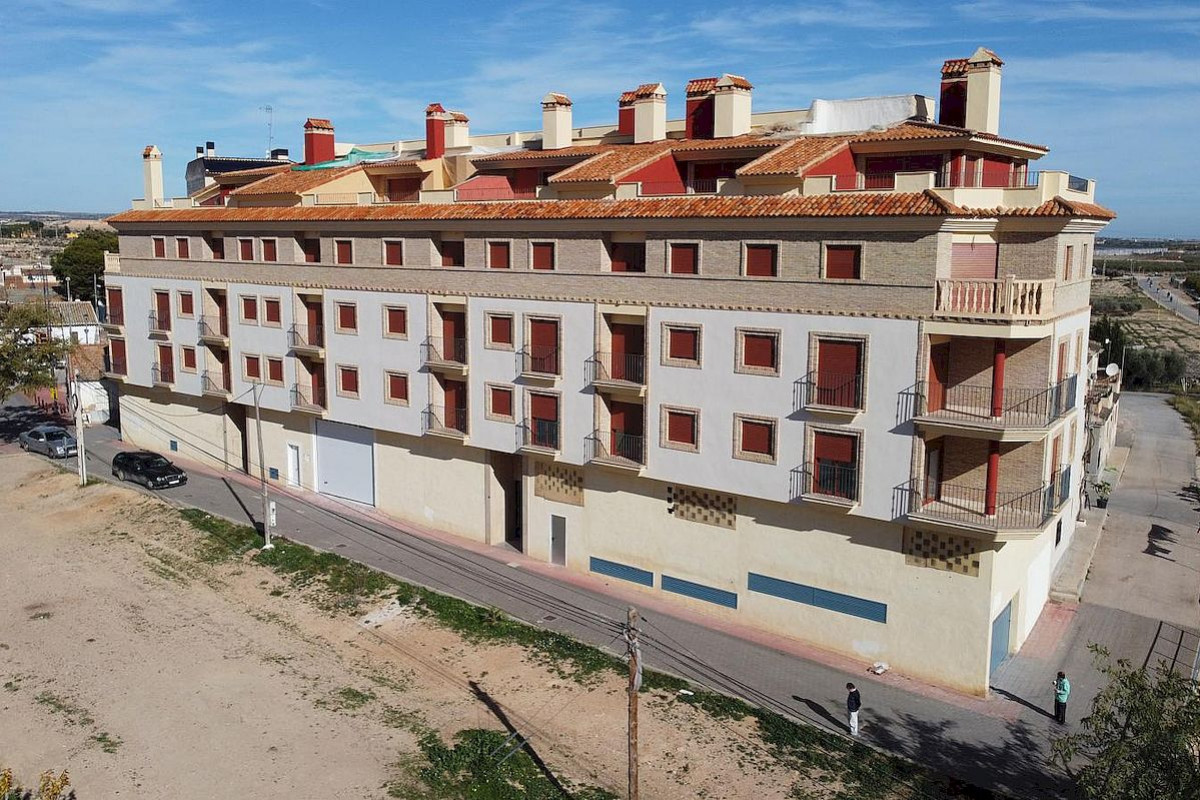
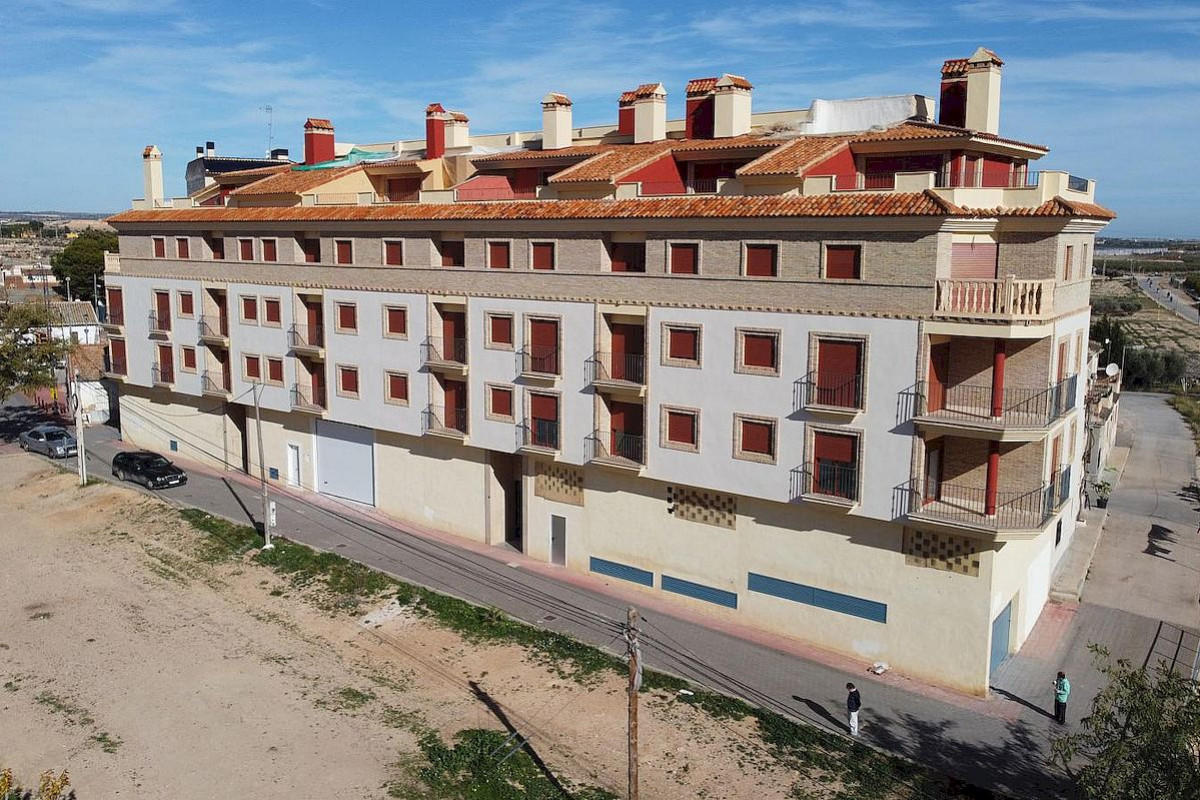
- WES-2240 Lomas de Cabo Roig 1-bedroom, 52 m², €147,500
- WES-2402K San Miguel de Salinas 3-bedroom, 88 m², €190,000
Broader inventory: Torrevieja catalogue (115 listings), Orihuela Costa (36), Pilar de la Horadada (61).
FAQ
Am I on a sanctions list? Check the EU consolidated list at sanctionsmap.eu and the UK OFSI list at sanctionssearch.ofsi.hmtreasury.gov.uk. Both are free public tools. If your name does not appear (including transliterations of the Cyrillic form), you are clear for a purchase in 2026.
Can I use a Turkish or UAE bank for the wire to Spain? Yes, if the account is opened in your own name and the funds have documented origin. The wire clears through Spanish AML the same way as an EU-based transfer.
What if the seller is Russian? Same screening applies. Spanish banks will not accept the wire to a Russian-passport seller if that seller appears on any consolidated list. If clean, the sale proceeds normally.
How long does the extra Russian-buyer due diligence add to a purchase? Two to four weeks on top of the standard 8-12 week timeline. Most of the added time is bank onboarding, not notary work.
Is a Russian-only bank account acceptable for the deed? No. The transfer of the purchase price must land in a Spanish IBAN under the buyer's name on the day of the notary appointment. Wesna helps arrange the Spanish account as part of the standard onboarding.
Next steps
If you want a confidential review of your specific situation, contact Wesna. We work in English, Russian, Ukrainian and Spanish, and we handle the full non-resident purchase including bank onboarding, source-of-funds coordination and remote-purchase via power of attorney.
Related: Russian buyers Spain 2026 guide, 12-step non-resident checklist, What replaced the Golden Visa.
Get our Costa Blanca property guides
One short email a month with new neighborhood guides, market notes, and rule changes. No spam, unsubscribe in one click.
We use your email only for the newsletter. Read our privacy policy for details.