
Spanish Coastal Growth 2020-26: 14 Towns vs +25% CPI
 Wesna Group
Spanish CPI cumulative +25% between 2020 and 2026. Denia/Moraira/Calpe ran +40-48% nominal (+15-23 pts real). Murcia interior lagged inflation by 5-10 pts but yields 6.5-7.5% gross. 14-town table mapping capital growth vs current yield for a 5-10 year hold horizon.
Spanish CPI ran a cumulative +25% between March 2020 and March 2026, according to INE's Indice de Precios de Consumo. For a foreign investor, that is the bar to beat: nominal house-price growth below 25% over those six years means a real-terms loss before any rental income. Some Spanish coastal markets cleared the bar by 20+ points. Some lagged. The geography of who won and who did not tells you where to point a 5-10 year hold horizon in 2026.
This piece pairs cumulative nominal price growth (2020 Q1 vs 2026 Q1, asking-price evolution from Idealista and TINSA IMIE) against the gross rental yield available today. A high-growth town with low yield, or a low-growth town with strong yield, are both legitimate strategies. Buying a town that lost in both columns is the one to avoid.
The 25% inflation bar
Inflation was not steady across the six years. Most of the damage came in two windows:
- 2021-2022: +5.7% (energy shock + post-COVID supply chains)
- 2022-2023: +5.5% (energy + food)
- 2023-2024: +3.4%
- 2024-2025: +2.5%
- 2025-2026 (rolling 12mo Q1): +2.8%
Net: a euro of buying power in March 2020 is worth roughly 0.80 euro by March 2026. Anything priced in those 2020 euros lost 20% in real terms unless it appreciated to compensate.
The town-by-town growth map
Nominal cumulative growth 2020 Q1 vs 2026 Q1, banded by region (asking-price evolution tracked through Idealista + TINSA municipal-level data):
| Town | Nominal growth 6yr | Real growth vs 25% CPI | Current gross yield |
|---|---|---|---|
| Denia | +42% to +48% | +17 to +23 pts | 4.0% - 5.0% |
| Moraira (Teulada) | +40% to +46% | +15 to +21 pts | 3.5% - 4.5% |
| Calpe | +38% to +44% | +13 to +19 pts | 4.0% - 5.0% |
| Javea (Xabia) | +36% to +42% | +11 to +17 pts | 3.8% - 4.8% |
| Altea | +34% to +40% | +9 to +15 pts | 3.6% - 4.6% |
| Benitachell (Poble Nou) | +30% to +36% | +5 to +11 pts | 4.0% - 5.0% |
| Benidorm | +28% to +34% | +3 to +9 pts | 5.0% - 6.0% |
| Valencia (capital) | +26% to +32% | +1 to +7 pts | 4.8% - 5.8% |
| Alicante (capital) | +22% to +28% | -3 to +3 pts | 5.0% - 6.0% |
| Torrevieja | +18% to +24% | -7 to -1 pts | 5.5% - 6.5% |
| Orihuela Costa | +20% to +26% | -5 to +1 pts | 5.2% - 6.2% |
| Murcia (capital + interior) | +15% to +21% | -10 to -4 pts | 6.5% - 7.5% |
| Cartagena | +12% to +18% | -13 to -7 pts | 6.0% - 7.0% |
| Castellón (capital) | +18% to +24% | -7 to -1 pts | 6.5% - 7.5% |
Bands are wider for smaller towns because thinner transaction volume drives more noise. Use the midpoints as a working estimate.
What the map tells you
Three clear patterns shape the 2026 decision:
- Costa Blanca North premium kept compounding. Denia, Moraira, Calpe and Javea cleared inflation by 15+ points. Drivers: scarce coastal building plots, strong year-round retiree demand from Northern Europe, and a planning-permission backlog that throttles new supply. This is the "growth + lifestyle" cluster. Yield is moderate (3.8%-5.0%) but the capital line did the work.
- Costa Cálida inland traded growth for yield. Murcia interior, Cartagena and Castellón lagged inflation by 5-10 points in nominal capital, but the gross yield ran 1.5-2.0 points higher than the Costa Blanca North average. Over the same six years, an investor pulling 7% gross yield on a Murcia apartment held by purchase-cost outperformed a Denia owner pulling 4.5% gross plus capital growth in many tax-resident profiles (especially non-EU residents who cannot deduct expenses on rental income).
- Costa Blanca South ran near the inflation line. Torrevieja and Orihuela Costa just about kept pace in real terms (range -7 to +1 points). The strength here is the combination: acceptable yield (5.5-6.5%) plus inflation-pace growth plus high transaction liquidity (3-7 month average time-to-resale). It is the "balanced" middle of the map for a 5-10 year holding plan.
Where each strategy starts on our inventory today
Concrete inventory anchors per strategy, all verified active and public on 2026-06-15:
Growth + lifestyle (Costa Blanca North):
- WG-12 – 3-bed Altea Hills house, €350,000 ★ featured. 117 m² hillside detached, own-stock, sea views.
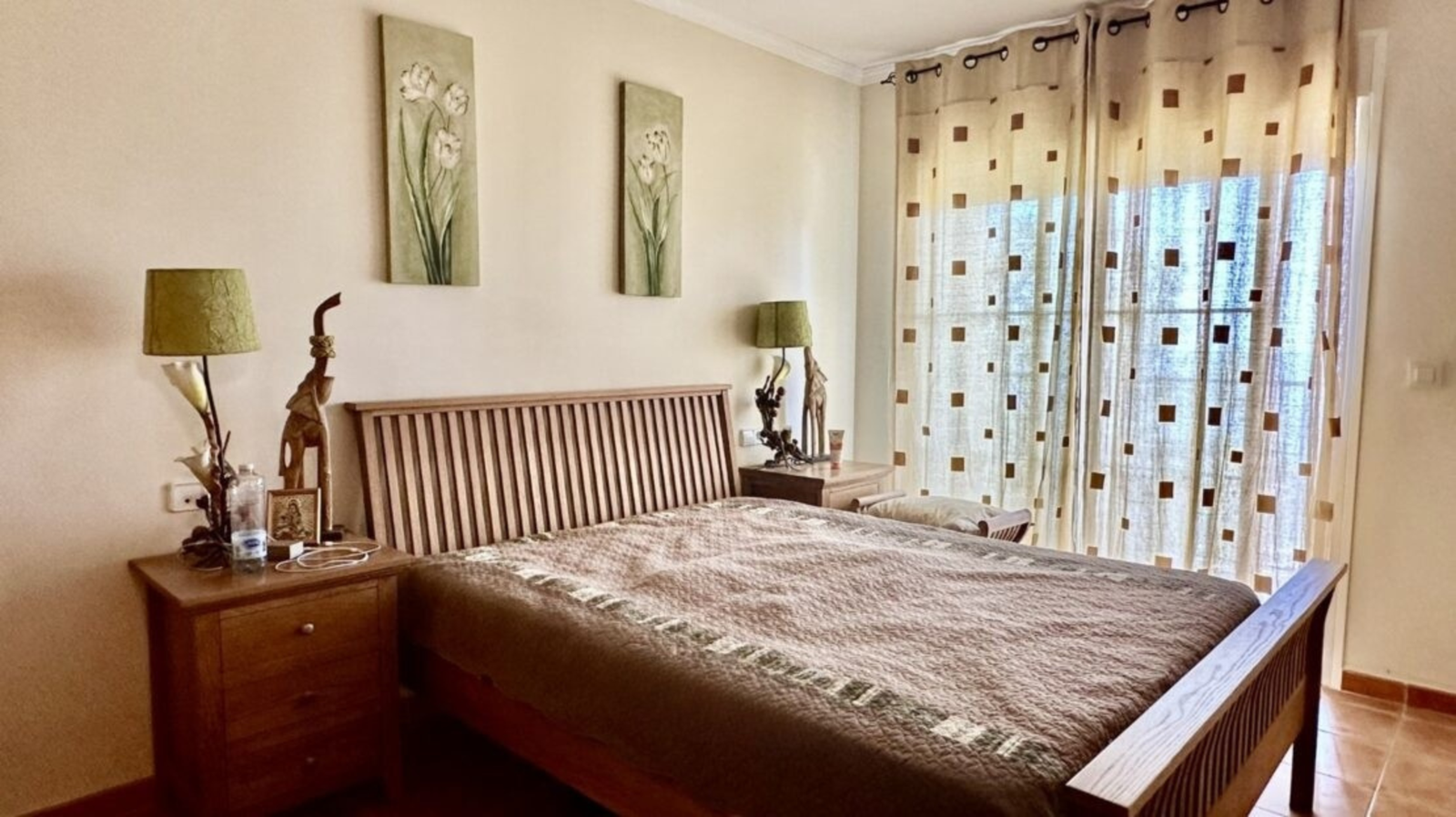
- WES-2038 – 1-bed Denia apartment, €260,000. 53 m², close to old town and Las Marinas beach.
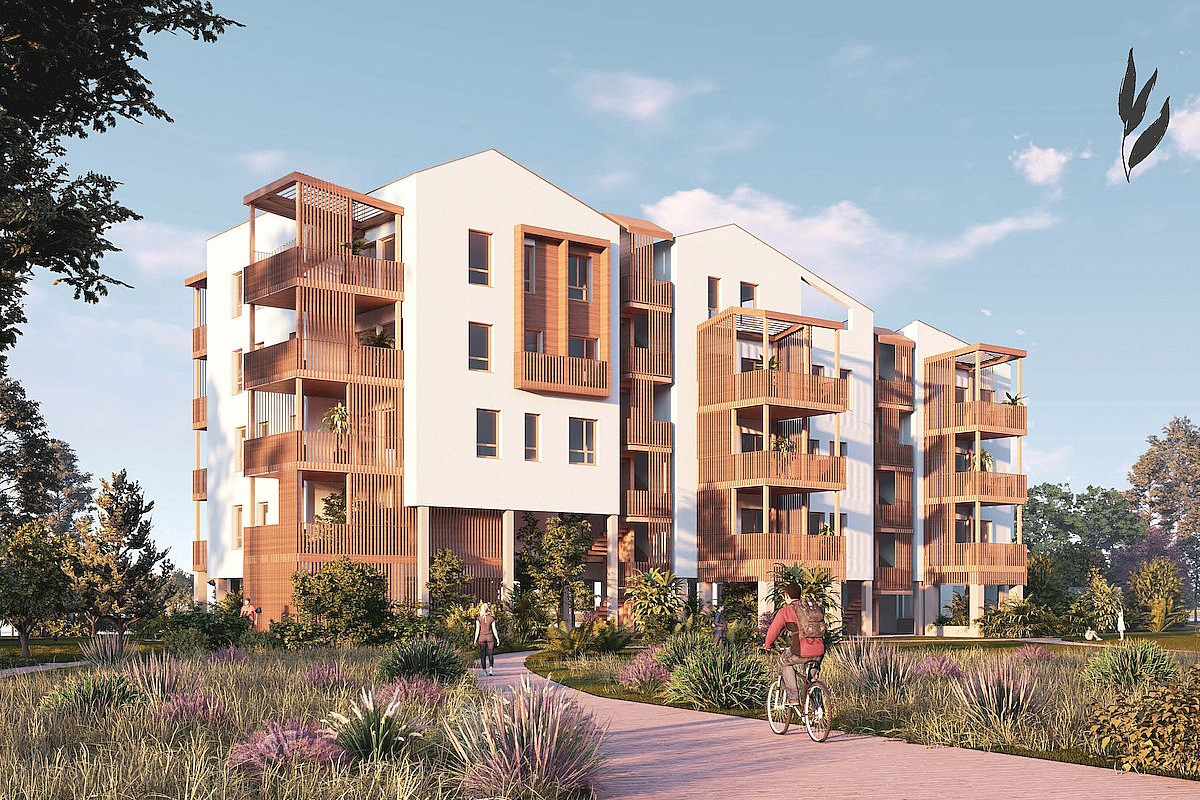
- WES-2078 2-bed apartment in Denia. 72 m², modern build.
- WES-2318C – 2-bed Calpe apartment, €299,000. 84 m², near Levante beach.
- WES-1441B – 2-bed Benitachell apartment, €473,000. 89 m², Cumbre del Sol urbanisation.
Yield-first (Costa Cálida):
- WES-2429 – 1-bed Avileses apartment, €78,000. 45 m², Murcia inland anchor, ~7.2% gross yield achievable on long-let.
Balanced (Costa Blanca South):
- WG-14 – Torrevieja apartment, €155,000. Own-stock, easy let.
- WES-1410 – 1-bed Benidorm apartment, €275,000. 77 m², year-round rental demand from beachfront proximity.
Liquidity-first (Valencia capital):
- WG-18 – 2-bed Valencia apartment, €238,000 ★ featured. 120 m² own-stock, defensive Valencia capital position with 4.8-5.8% yield.
- WES-454545 – Valencia apartment, €215,000 ★ featured.
Mixing strategies across two properties? WhatsApp us your total budget and we propose a CBN-growth + CBC-yield split with realistic combined returns over 5 and 10 years. Free, no obligation.
What drove the divergence
The Costa Blanca North premium did not come from one cause. Four overlapping factors compounded:
- Permitted-build scarcity. Denia, Calpe and Moraira town halls all tightened coastal-zone building permits between 2019 and 2024. Each blocked-permit application created scarcity on existing stock.
- Northern European retiree migration. Brexit + COVID accelerated UK, German, Dutch and Belgian retirees buying in Costa Blanca North. The buyer pool grew faster than supply.
- Climate-driven re-rating. UK and Northern European summer heat got hotter year-on-year. The "cooler than Alicante" microclimate of Denia and Moraira (3-5°C cooler in August because of the cape effect) became a selling point.
- Lifestyle market wins on slower decisions. Buyers in this band research for 6-18 months before they offer. Limited stock + slow buyers = sticky price floors.
The Costa Cálida (Murcia interior, Cartagena) trailed because:
- Less coastal scarcity. Inland Murcia has buildable land within reach of the courses.
- Less retiree migration. The lifestyle infrastructure (English-language doctors, supermarkets, beaches) is thinner.
- Higher yield attracted investor buyers who treat price as a calculation rather than a lifestyle decision, which compressed asking-price growth.
What we expect 2026-2030
Two-paragraph outlook (not a forecast we will stake our office on, but our 2026 working view based on the data we see in transactions):
- Costa Blanca North premium probably keeps a 2-3 point per year nominal lead over inflation. The structural drivers are not going away. Growth there flattens from 7-8%/year peak to 4-5%/year, but the gap stays.
- Costa Cálida inland yield markets probably stay near 5-7% gross with capital growth tracking inflation (so flat real growth). The trade-off does not change.
- Costa Blanca South stays the safest "balanced" zone with moderate growth + yield. Liquidity stays high.
- Valencia capital outperforms most pundits expect, because remote-work culture and the digital-nomad visa keep rental demand structurally hot.
If you want our take on a specific town not in the table above, send us the name and we will return current asking-price evolution and yield ranges within 24 hours.
Read next
- Investing in Spanish coastal property 2026: a working guide for foreign buyers. The 2026 macro picture, the four cost lines, and the three buyer profiles.
- Modelo 210 explained: non-resident tax on Spanish property 2026. What the empty-flat trap costs you and how EU vs non-EU residency changes the math.
- Where rental yields beat 6% on the Spanish coast in 2026. Town-by-town gross-yield breakdown.
- Spanish mortgages for non-residents 2026. The four lender banks, rate ranges and negotiation levers.
Ready to compare two specific towns side by side? Book a free 15-min strategy call and we line up two of our active listings (one CBN growth-led, one CBC yield-led) with the math behind both before you offer.
By Oleg Fesechko, founder of Wesna Group.
Get our Costa Blanca property guides
One short email a month with new neighborhood guides, market notes, and rule changes. No spam, unsubscribe in one click.
We use your email only for the newsletter. Read our privacy policy for details.