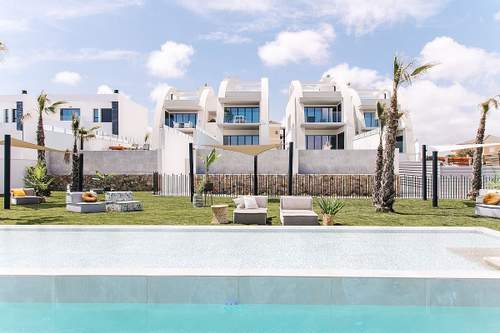

Buying in Javea 2026: North Side, South Side, Port
 Wesna Group
Javea has three personalities within four kilometres – the port, El Arenal, the north headland. Each one suits a different buyer. The 2026 price bands, the school and healthcare options, the short-term rental rules, and which Marina Alta neighbours have stock when Javea itself does not.
Javea has three personalities and they live within four kilometres of each other. The port is the working-fishing-village one, all colour-washed houses and the morning fish auction. El Arenal is the holiday one, sandy beach, palm-lined promenade, families with pushchairs. The north headland – Montgó, Balcón al Mar, Cap de la Nao – is the villa one, twisting cliff roads and infinity pools looking at Ibiza on a clear day. Most international buyers know one of these three Javeas and assume the others are similar. They are not.
This guide walks you through each zone, what buying in each one actually looks like in 2026, which buyer profile fits where, and the practical things – schools, healthcare, the airport question, the planning question – that decide whether Javea works for you as a home or as a holiday-let investment.
A note before we start. Javea (the Castilian spelling, used in most contracts and on the official town hall website) and Xàbia (the Valencian spelling, on most road signs) are the same town. The 2024 municipal council formally uses both; you will see both on deeds, utility bills, and tax forms.
Why Javea attracts who it attracts
Javea is the largest Marina Alta town with a year-round foreign population of roughly 35–40% (the highest in the comarca). The British, Dutch and German communities are the largest. There are three international schools within 15 minutes. The microclimate, validated by WHO research in the 1980s, is genuinely one of the best in Europe – 320+ days of sun a year, mild winters (12–17°C December–February), no extreme heat in summer (typical July day 26–29°C on the coast).
The cost is the cost. Javea is one of the most expensive towns in Alicante province per square metre. Median asking price as of mid-2026 sits around €3,000/m² for apartments and €3,800/m² for detached villas, with the north-headland villas running well above those numbers. Set that against Torrevieja's €1,900/m² and you understand the gap.
The three zones in detail
1. El Arenal (south)
The sandy beach and the linear strip of restaurants behind it. Apartments here are mostly 1980s and 1990s low-rise blocks, two to four storeys, with parking included and a community pool. Some newer developments at the western end (the Granadella road side) push to six storeys.
Buyer profile: holiday-home owners and snowbirds who want walk-to-beach. Year-round residents who prioritise easy living over privacy. Families who like the playground-and-paseo combo.
Price bands (mid-2026):
- 1-bed apartment, 50–65 m², community pool: €180,000–€280,000
- 2-bed apartment, 75–95 m², 200 m from the beach: €280,000–€450,000
- 3-bed townhouse with small garden, walkable to beach: €400,000–€650,000
- Front-line beach apartment: €600,000–€1.2 million
Practical: parking is mostly community-owned in the building basement; on-street is hard in July and August. The promenade restaurants are tourist-priced; the better food is one block back. The Aldi, Mercadona and Lidl are 10–15 minute drives north towards the old town.
2. El Puerto (centre-east)
The fishing port and the residential streets behind it. The old casco antiguo of fishermen's cottages sits inland from the harbour. There is an active commercial port – small fishing fleet, the daily lonja (fish auction) at 17:00, a marina with about 280 berths.
Buyer profile: people who want a working town feel, not a resort. Often Dutch and Belgian retirees. People who hate the tourist crowds at El Arenal.
Price bands (mid-2026):
- Old fisherman's cottage, 60–90 m², 2-storey, needs renovation: €180,000–€300,000
- Same, fully renovated: €350,000–€600,000
- Apartment with port view, 80–110 m²: €280,000–€500,000
- Modern townhouse near port: €400,000–€700,000
Practical: the casco antiguo is a planning-restricted area – you cannot change exterior elements without town hall approval. Restoration projects often take 12–18 months. Parking is limited but residents get a discount card. The port restaurants are some of the best on the Marina Alta – book ahead for La Perla, Tasca del Puerto and El Mero.
3. The north headland: Montgó, Balcón al Mar, Cap de la Nao, La Plana
The villa territory. Twisting cliff roads, individual detached homes on plots from 800 m² to 3,000 m², most with private pools. The Montgó natural park rises behind the urbanisations to 753 m; the Cap de la Nao lighthouse anchors the eastern point.
Buyer profile: higher-budget second-home buyers, retirees, families with teenage children who can drive. Anyone who wants pool, privacy, and distance from the tourist crowds.
Price bands (mid-2026):
- 3-bed villa, 180–220 m², 800–1,200 m² plot, partial sea view: €700,000–€1.1 million
- 4-bed villa, 250–350 m², 1,000–1,800 m² plot, full sea view: €1.2 million–€2.5 million
- Front-line cliff villa, walk to a private cove: €2.5 million–€7 million
- Modernised 1970s villa, restoration done: €900,000–€1.8 million
Practical: the urbanisations are car-dependent (a car per adult is the norm). The local roads are narrow and twisty; a small car is friendlier than a large SUV. Many urbanisations have community-owned water deposits and require quarterly community fees of €60–€200/month. Check the urbanisation's by-laws before buying – some prohibit short-term rental.
What our active inventory looks like for the Javea-area buyer
We have zero active Javea listings as of this article going up. Marina Alta inventory in our catalogue is concentrated in the Calpe and Denia pockets, plus higher-end Altea Hills. The closest comparable stock:
- WES-2278 – 2-bedroom Calpe apartment, 82 m², €430,000. 15 minutes south of Javea, similar coastal-resort feel.
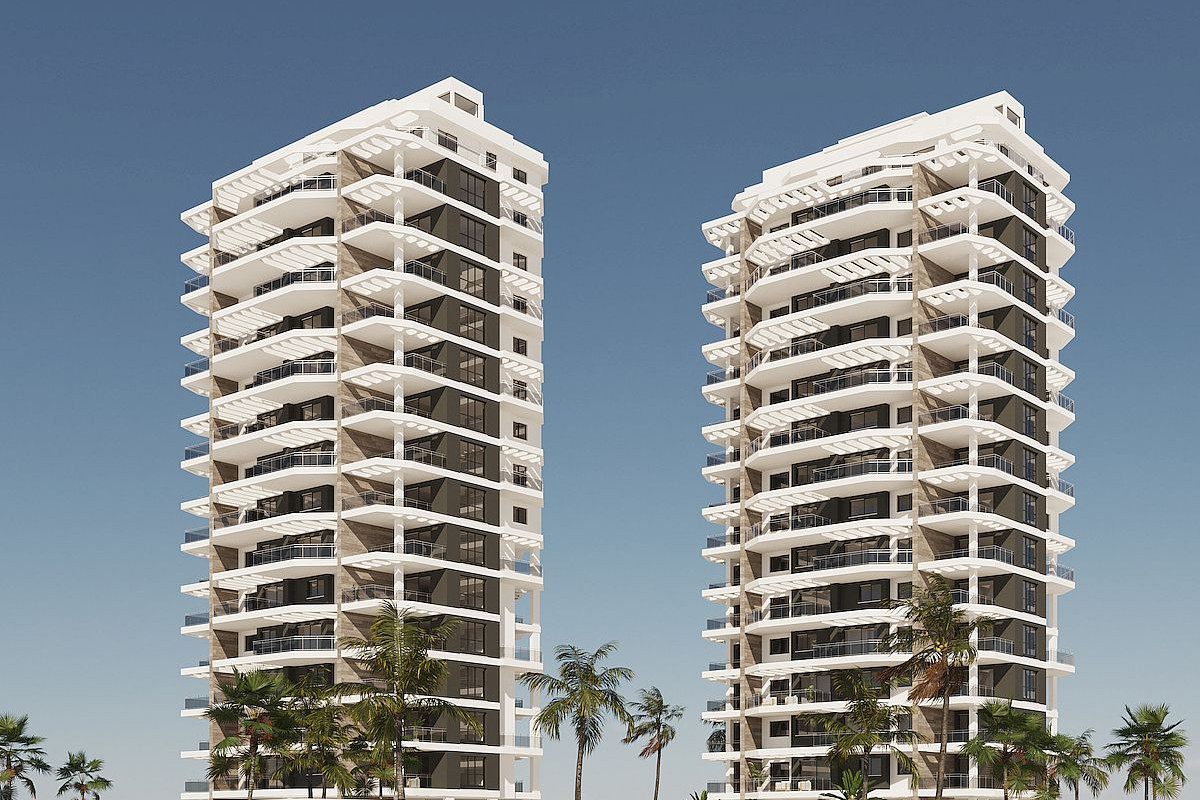
- WES-2318C – 2-bedroom Calpe apartment, 84 m², €299,000. Same area, lower price band.
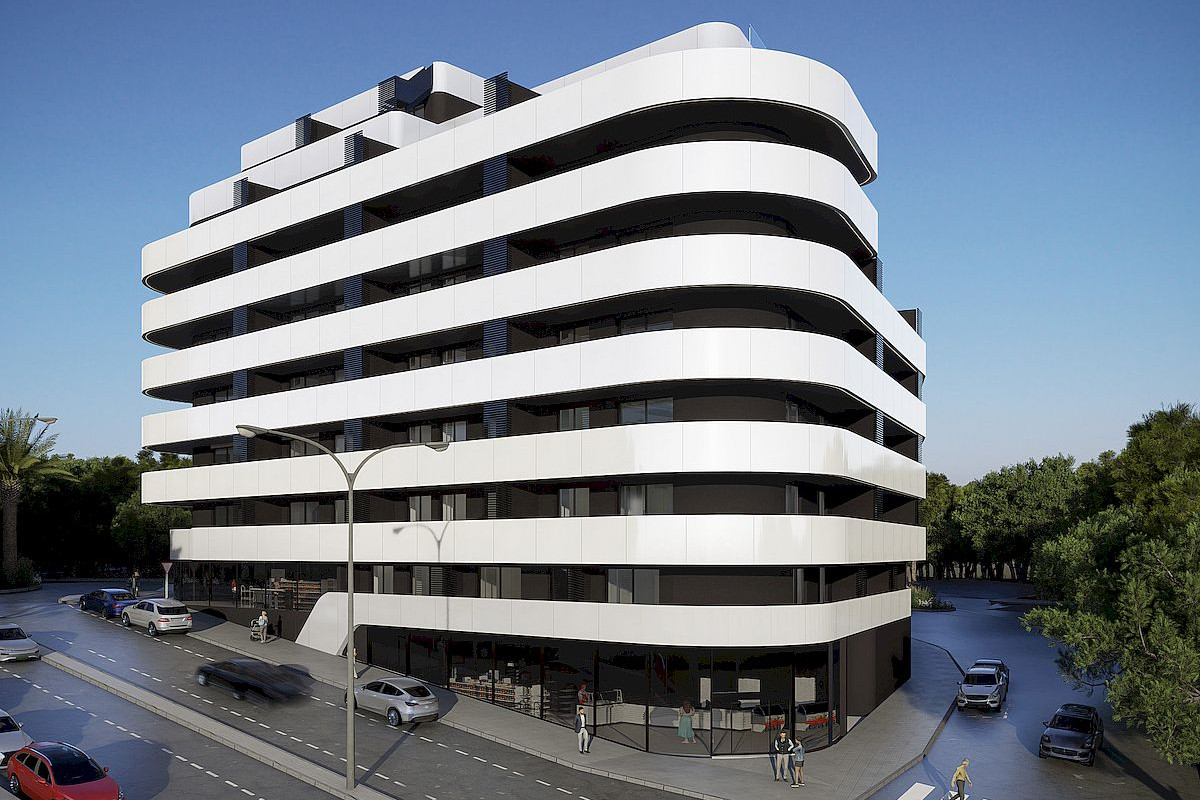
- WES-2038 – 1-bedroom Denia apartment, 53 m², €260,000. 10 minutes north, same beach-front profile.
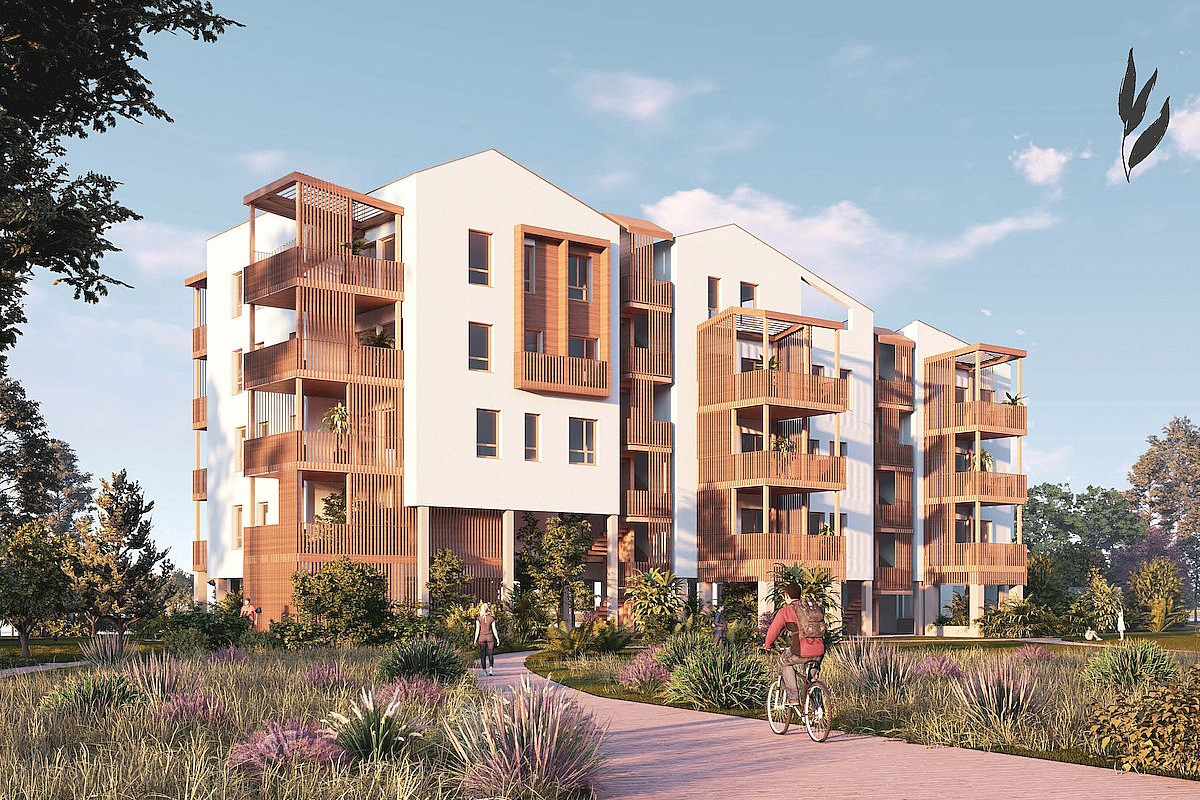
- WG-12 – 3-bedroom Altea Hills detached bungalow, 117 m², €350,000. South Marina Alta hillside, villa feel at a sub-villa price.
- Calpe catalogue (9 active listings)
- Denia catalogue (21 active listings)
- Villajoyosa catalogue (18 active listings)
If you are set on Javea specifically, we will source through our agent network rather than the multi-listing portals – message us at /contact with your zone (Arenal, Puerto, headland), price band, and bedroom count.
Schools
Three international schools serve Javea families directly:
- Lady Elizabeth School (Llíber) – British curriculum, GCSE and A-level, 20 minutes inland from Javea.
- Xabia International College – British curriculum, ages 2–18, in Javea town itself.
- El Limonar International – British curriculum, ages 2–18, near Javea.
Spanish state schools have several primary schools (CEIP) and one secondary (IES Antoni Llidó). The state schools teach in Valencian and Castilian (programmes vary by school); enrollment is by catchment area.
Healthcare
Javea has a basic town clinic and an emergency centre. For anything more than primary care, the nearest hospital options are:
- Hospital de Denia (Quirón Salud) – private, 15 minutes north. Most international residents use it as their primary hospital.
- Hospital Marina Salud (Denia) – public-private partnership transitioning back to fully public.
- Hospital General de Castellón – public, 90 minutes south. Specialist referrals from Denia.
Most expat residents take out a private insurance policy (Sanitas, Adeslas, DKV) that contracts with Quirón Denia and the smaller Javea clinics. Monthly premiums for a healthy 60-year-old run €80–€140; for a 70-year-old €150–€230.
Transport
There is no train. The closest railway station is Gandia (45 minutes north, regional service to Valencia) or Benidorm (45 minutes south, TRAM line to Alicante).
The airport options:
- Alicante–Elche (ALC) – 90 minutes south by toll road. The default for British and most European arrivals.
- Valencia (VLC) – 90–100 minutes north. Good for European mainland connections.
- Castellón (CDT) – 2 hours north. Cheaper Ryanair routes occasionally.
Ferry to Ibiza from Denia port (20 minutes north of Javea) takes 2–4 hours depending on the vessel.
Tax and planning catches
Plusvalía municipal. Javea's town hall applies its own coefficient. Always request a plusvalía estimate from the seller's lawyer before you sign – recent court rulings have changed the calculation method and not every notary is using the latest formula.
Casco antiguo restrictions. Any work on the old port-side fishermen's cottages requires architect-stamped plans and a heritage-permit application. Budget 6–12 months from application to start of work.
STR licences. Javea's town hall paused the issuance of new short-term-rental licences in 2024 for buildings without prior STR history. Existing licences transfer if registered correctly; new ones are case-by-case. Critical if your purchase pencil depends on Airbnb income.
IBI band. Javea's IBI (municipal property tax) coefficient is 0.74 – middle of the Alicante province range. Expect €500–€2,500 per year on a typical villa.
FAQ
Is Javea the same as Xàbia? Yes. Javea is the Castilian spelling, Xàbia the Valencian. Both are official; you will see both on documents and signage.
Which zone is best for a year-round home? The port (El Puerto) for people who want walkable town life, the headland for people who want privacy and a pool. El Arenal is more season-driven and can feel quiet in winter.
Are short-term rentals legal in Javea in 2026? For properties with existing tourist licences, yes. New licences have been paused for most types of building since 2024. Always check the property's specific licence status before assuming Airbnb income.
What is the year-round expat community like? British (largest), Dutch (second largest), German, Belgian, Scandinavian. Most active in the El Arenal and the headland urbanisations. Spanish residents dominate the casco antiguo of the port.
What is the realistic minimum budget to live near Javea? €180,000 for a small port-side cottage that needs renovation, or €200,000 for a small apartment in El Arenal. To buy without renovation, more like €280,000.
How does Javea compare to Calpe and Denia for buying? Calpe is more high-rise, more Russian-speaking community, lower entry prices. Denia is a working town with a port and the ferry to Ibiza, slightly cheaper than Javea. Javea is the most international and the most expensive of the three.
Want a Javea-area brief? Message us at /contact and we will pull Calpe, Denia, Altea Hills and our Javea broker-network stock together against your budget and bedroom count.
Get our Costa Blanca property guides
One short email a month with new neighborhood guides, market notes, and rule changes. No spam, unsubscribe in one click.
We use your email only for the newsletter. Read our privacy policy for details.