
Finca, Masía, Casa Rural: Spanish Country Property Types Explained
 Wesna Group
Five Spanish words that come up over and over in rural listings – finca, masía, casa rural, cortijo, caserío. The regional map, the legal distinctions, the building-permit catches, and what each one actually is when you read the deed.
Listings for rural Spanish property carry a vocabulary that does not translate cleanly into the English categories of "cottage" or "country house". Five words come up over and over: finca, masía, casa rural, cortijo, caserío. They overlap, they vary by region, and the differences matter when you read a deed or apply for a renovation permit. This guide gives you the distinctions, the regional map, and the catches that bite foreign buyers most often.
The five terms, side by side
| Term | Region | What it actually is | Typical land | Modern uses |
|---|---|---|---|---|
| Finca | All of Spain | Any registered rural land parcel, with or without a building | 1–50+ hectares | Agriculture, leisure, residential, mixed |
| Masía | Catalonia + Valencian Community + Aragón | Traditional fortified stone farmhouse, multi-storey, with outbuildings | 3–20 hectares | Holiday let, restored second home |
| Casa rural | All of Spain | Rural house, often legalised for tourism rental | 0.5–5 hectares | Vacation rental, agro-tourism |
| Cortijo | Andalusia, southern Castilla-La Mancha | Andalusian farmhouse, typically white-washed, single-storey, with patio | 5–100 hectares | Olive/almond estate, restored home, retreat |
| Caserío | Basque Country, Cantabria, Navarra | Wood-and-stone farmhouse with steep pitched roof | 1–15 hectares | Working farm, restored home, rural tourism |
Finca
A finca is a registered rural parcel of land. It can have a house on it, or it can be empty land. The Spanish Land Registry distinguishes two types:
Finca rústica. Agricultural or natural land. Building rights are heavily restricted – you generally cannot construct a new residential dwelling, only agricultural outbuildings, and only with permission. Existing legal dwellings on rústica land can be renovated within their existing footprint and volume.
Finca urbana. Land classified as urban or urbanisable. Building rights follow the municipal urban plan (PGOU). Most "rural" properties you see in coastal Spain that look detached but are actually within an urban perimeter are technically fincas urbanas.
The catch: foreign buyers see "finca" in a listing and assume "country estate with a house". Half the time the listing is for land only with a derelict structure that has no current cédula de habitabilidad (occupancy certificate). Fixing that takes 12 to 30 months and tens of thousands of euros, depending on the region.
Masía
Specific to the eastern Mediterranean – Catalonia, the Valencian Community, parts of Aragón and the Balearic Islands. A masía is a traditional stone farmhouse, built between the 14th and 19th centuries, with thick walls (often 80–120 cm), small windows, multi-storey layout (livestock on the ground floor historically, family on the first floor, granary above), and outbuildings (oven, barn, mill).
Restored masías are some of the most sought-after rural properties in Spain. Prices in the Penedès and the Empordà run €600,000 to €2.5 million for a habitable restoration with land. The Valencian inland (Marina Alta, El Comtat, La Costera) is significantly cheaper – €300,000 to €900,000 for similar size, although the masía density is lower.
Buying tip: check the protected-heritage status. Many masías are catalogued (Bien de Interés Cultural or municipal protection), which means any structural change requires additional permits and the use of period materials.
Casa rural
The legal term casa rural refers to a rural house that has been legalised for tourist accommodation under each autonomous community's tourism law. The categorisation matters because:
- A legalised casa rural can be advertised on Airbnb, Booking, etc.
- A non-legalised rural house cannot, even if the building is identical.
- The legalisation process varies wildly by region – Asturias and La Rioja have established systems; some Andalusian provinces are reforming theirs in 2025–2026.
Foreign buyers often see "casa rural" in a listing and assume the existing rental licence transfers automatically. It usually does not. Licences are tied to the owner, and the new owner must re-register, comply with current standards (insurance, signage, safety equipment), and pay registration fees.
Cortijo
The Andalusian equivalent of the masía, but with a different feeling. Single-storey or two-storey, white-washed, organised around a central patio, often with outbuildings for olive pressing or grain storage. Land plots are typically larger than masías – cortijos are historically tied to olive, almond, or grain agriculture, and the working farm needed the hectares.
Restored cortijos in Málaga province (between Antequera and Ronda) run €400,000 to €1.5 million. Granada interior is cheaper, often €200,000 to €600,000.
Caserío
The Basque farmhouse. Specific architectural style: a long stone-and-timber building with a steep pitched roof, designed for high rainfall. The ground floor housed livestock; the upper floors housed the family. Restored caseríos in Gipuzkoa and Bizkaia run €450,000 to €1.2 million; in Navarra the prices drop to €250,000 to €700,000.
What we have right now
Our active inventory has no traditional finca/masía/cortijo properties at the moment – that segment moves through specialist brokers in each region rather than coastal multi-listing services. The closest in style from our current stock:
- WG-12 – 3-bedroom Altea Hills detached bungalow, 117 m², €350,000. A modern detached home on a hillside plot. Not a traditional rural property, but the same feeling of detachment and private outdoor space.
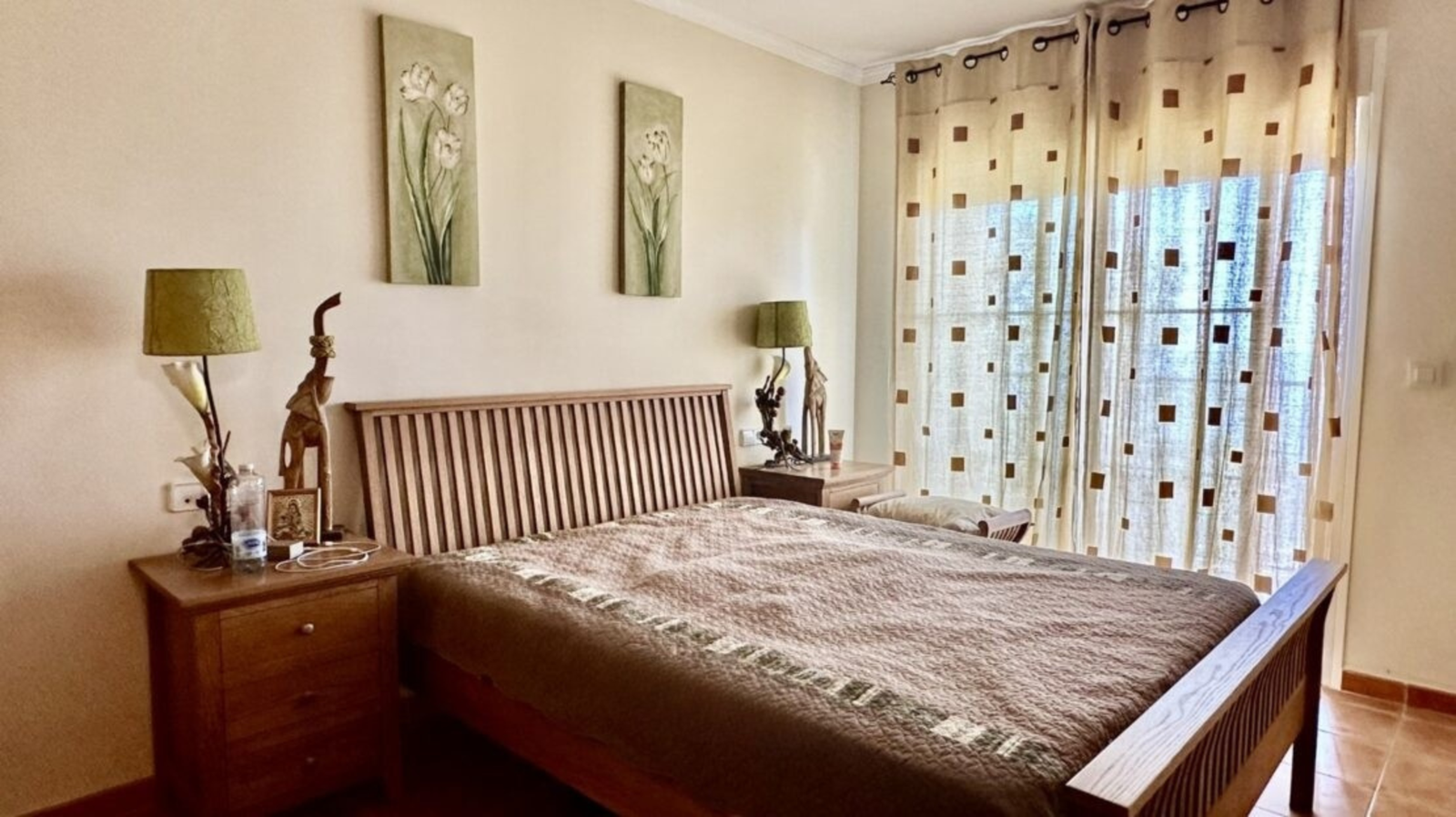
- WG-19 – Paterna house, €147,000. A small house in a semi-rural pocket of Valencia province.
- WG-16 – 1-bedroom Algorfa house, 53 m², €159,000. A small inland house in an Algorfa pocket.
If you specifically want a finca or masía we can source through our broker network in Catalonia, Valencia interior, or Andalusia. Contact us with your specifics (region, hectares, budget, restoration tolerance) and we will work the back-channel listings.
For coastal property in our active catalogue, browse the catalogue filtered to houses.
FAQ
What is the legal difference between a finca and a casa rural? A finca is a land parcel, with or without a building. A casa rural is a building that has been legalised for tourist-rental use under the local autonomous community's law. They are different categories – a single property can be both at once (a finca containing a casa rural).
Can I build a new house on a finca rústica? In most autonomous communities, no – not a new primary dwelling. You can build agricultural outbuildings with permission, and you can renovate within the existing volume of a legal pre-existing dwelling. Some communities allow a single dwelling on plots above a minimum size (often 10,000 m²) for the owner-farmer, but the rules are strict.
How much does it cost to restore a masía? €800 to €1,800 per square metre for a full structural restoration with modern services, period exterior. Cheaper if the structure is sound; significantly more if you need to rebuild walls, replace beams, or restore a tile roof. Always budget at least 20% above the contractor's first estimate.
Are rural properties mortgageable? Spanish banks lend on rural property with two big caveats: lower loan-to-value (typically 50–60% rather than the urban 70–80%), and the property must have a current cédula de habitabilidad. Fincas without a legal dwelling are usually unmortgageable.
What does AFO mean and when does it apply? Asimilado fuera de ordenación – a Junta de Andalucía mechanism for regularising rural buildings that were built without permission but have passed the statute-of-limitations. It does not make the building fully legal but it permits utility connections and minor renovations. Important in Málaga and Cádiz province purchases.
Get our Costa Blanca property guides
One short email a month with new neighborhood guides, market notes, and rule changes. No spam, unsubscribe in one click.
We use your email only for the newsletter. Read our privacy policy for details.